Petron Corporation, the country’s largest oil company and its only remaining refiner, reported a net income of P1.8 billion in the first quarter of 2026, down 56% from P4 billion in the same period last year. The decline is largely driven by reduced production at the company’s refineries in the Philippines and Malaysia, exacerbated by escalating tensions in the Middle East.
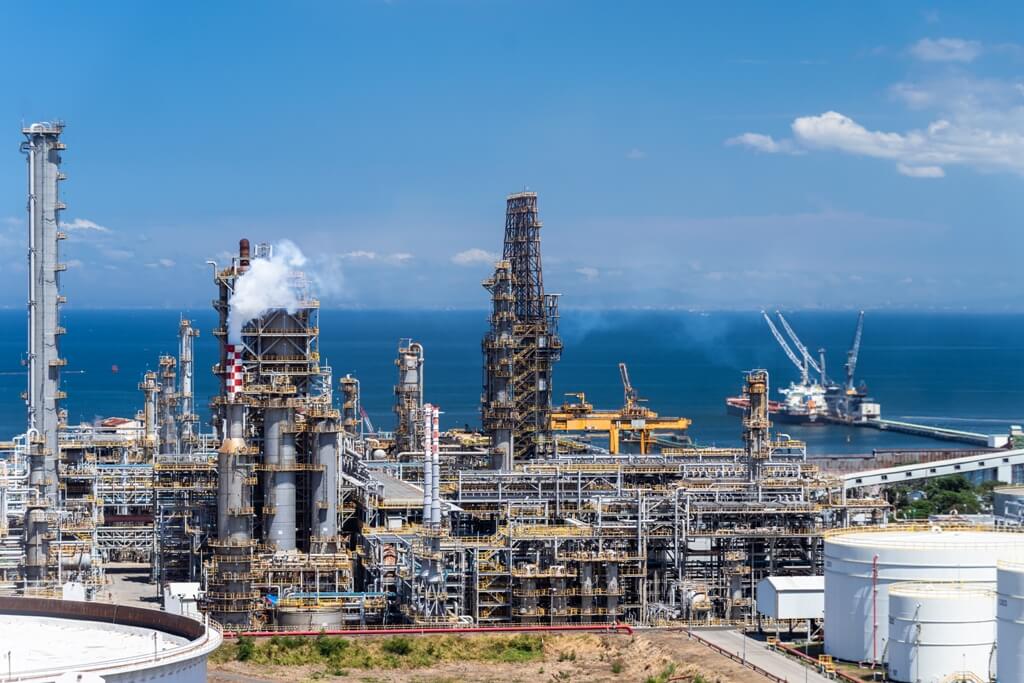
Since November 2025, the Port Dickson Refinery in Malaysia has remained on shut down after its product jetty was damaged during Tropical Storm Senyar. The company has activated its business continuity plan while repairs to the jetty are underway. Meanwhile, the Petron Bataan Refinery in Limay completed scheduled maintenance activities during the quarter.
As the US-Israel conflict with Iran significantly curtailed crude and petroleum product flows from the Middle East, which supplies the majority of the region’s oil imports, the benchmark Dubai crude soared to US$129 per barrel in March 2026, almost double the US$68 per barrel in February. For the first quarter, Dubai crude averaged US$86 per barrel, 12% higher than in the same period last year.
While revenues rose 27% to P246 billion in the first quarter, operating income declined by 36% to P6.1 billion. Margins were squeezed by higher product costs during the period with the absence of refinery production in Malaysia and reduced output in the Philippines.
Excluding trading transactions from the company’s operations in Singapore, Petron recorded sales volume of 25.7 million barrels in the Philippines and Malaysia, 7% lower than the previous year’s 27.6 million barrels due to lower production. Nevertheless, the company deliberately reduced fuel exports to sustain the growth in Petron’s Philippine retail and commercial segments.
In response to the current situation, Petron has adopted strict cost-saving and efficiency measures while trying to sustain its operations to meet product demand.
“The geopolitical developments in the Middle East have presented severe supply disruptions in our industry. As we work to manage its impact on our business, our main priority has been to secure adequate fuel supply and make sure we can continue to meet the demand,” said Petron President and CEO Ramon S. Ang.
Amid the sudden surge in international prices and threat of supply tightness with ongoing tensions in the Middle East, Petron has procured crude and finished products from other suppliers and refiners outside the conflict area.
Through Petron’s crude diversification program, the Petron Bataan Refinery is capable of processing oil apart from its usual Middle East crude diet. This allows Petron to maintain its refining operations despite unprecedented circumstances.
“We know these are uncertain times, and we are committed to doing everything we can to sustain our operation and keep the economy moving. As the Philippines’ sole remaining oil refiner, we recognize our responsibility to help address the nation’s fuel challenges. Together, we will navigate this crisis and alleviate the concerns of our fellow countrymen,” Ang added.